



Matrix News
Article

Published July 10, 2026
Matrix Welcomes Eight Research Teams for 2026-2027
Social Science Matrix is pleased to welcome eight new Matrix Research Teams — three faculty-led teams and five graduate student-led teams — for the 2026-2027 academic year. The teams will address topics such as the political economy of wildfire risk, the global politics of declining fertility, and the use of digital tools for governance and development in South Asia.
Learn More >COVID-19
Article
Published May 6, 2020
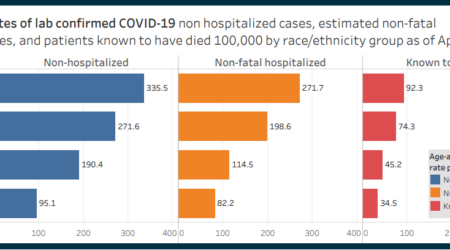
Disaster Preparedness and Seeking Equity Amidst COVID-19
An interview with Sarah Vaughn, Assistant Professor in the UC Berkeley Department of Anthropology, on how different communities prepare for and respond to pandemics and disasters.
Learn More >Health

Published April 29, 2020
Berkeley Interpersonal Contact Study
Researchers from the UC Berkeley Department of Demography use survey methods to measure the effect of "social distancing."
Learn More >Inclusion
Published April 22, 2020
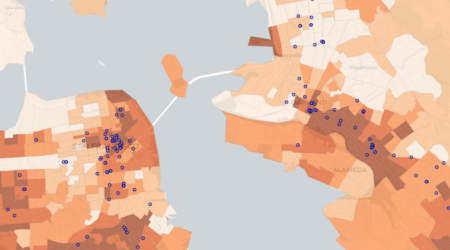
COVID-19 is Blind to Legal Status, but Can Disproportionately Hurt Immigrants
COVID-19 is blind to legal status, but can still disproportionately hurt immigrants, argue Jasmijn Slootjes and Irene Bloemraad from the Berkeley Interdisciplinary Migration Initiative.
Learn More >COVID-19
Published April 17, 2020
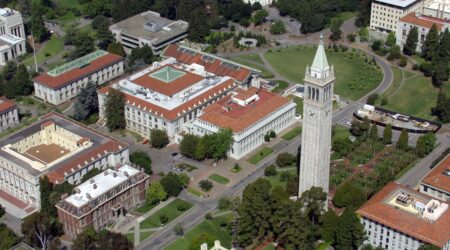
Student Futures and Life Under COVID-19
Michael Watts writes that innovative solutions are needed to support students and universities in the era of COVID-19.
Learn More >Health
Published April 13, 2020
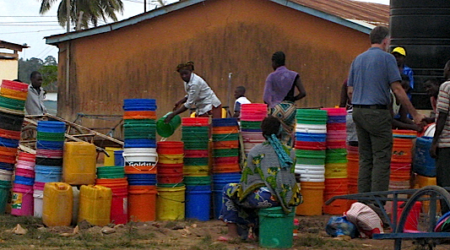
Hand-washing in the Time of COVID-19
In the era of COVID-19, the public health directive to "wash your hands" is a challenge for people with limited access to clean water, writes UC Berkeley researcher Isha Ray.
Learn More >Cities
Article
Published April 8, 2020
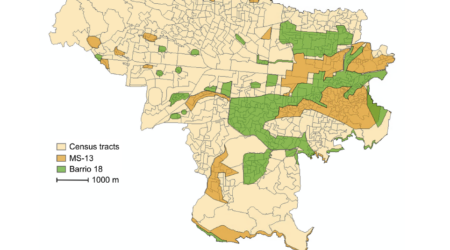
Gangs, Labor Mobility, and Development
A Q&A with Carlos Schmidt-Padilla, PhD Candidate in the UC Berkeley Department of Political Science, on his research showing the staggering economic toll of living within gang-controlled territory.
Learn More >