



Matrix News
Article

 '
'
Matrix Welcomes Eight Research Teams for 2026-2027
Social Science Matrix is pleased to welcome eight new Matrix Research Teams — three faculty-led teams and five graduate student-led teams — for the 2026-2027 academic year. The teams will address topics such as the political economy of wildfire risk, the global politics of declining fertility, and the use of digital tools for governance and development in South Asia.
Learn More >Matrix News
News

Cori Hayden to Serve as Director of Social Science Matrix
Cori Hayden, Professor Anthropology at UC Berkeley, has been appointed Director of Social Science Matrix. Hayden previously served as Interim Director during the Spring 2025 semester.
Learn More >Matrix News
News
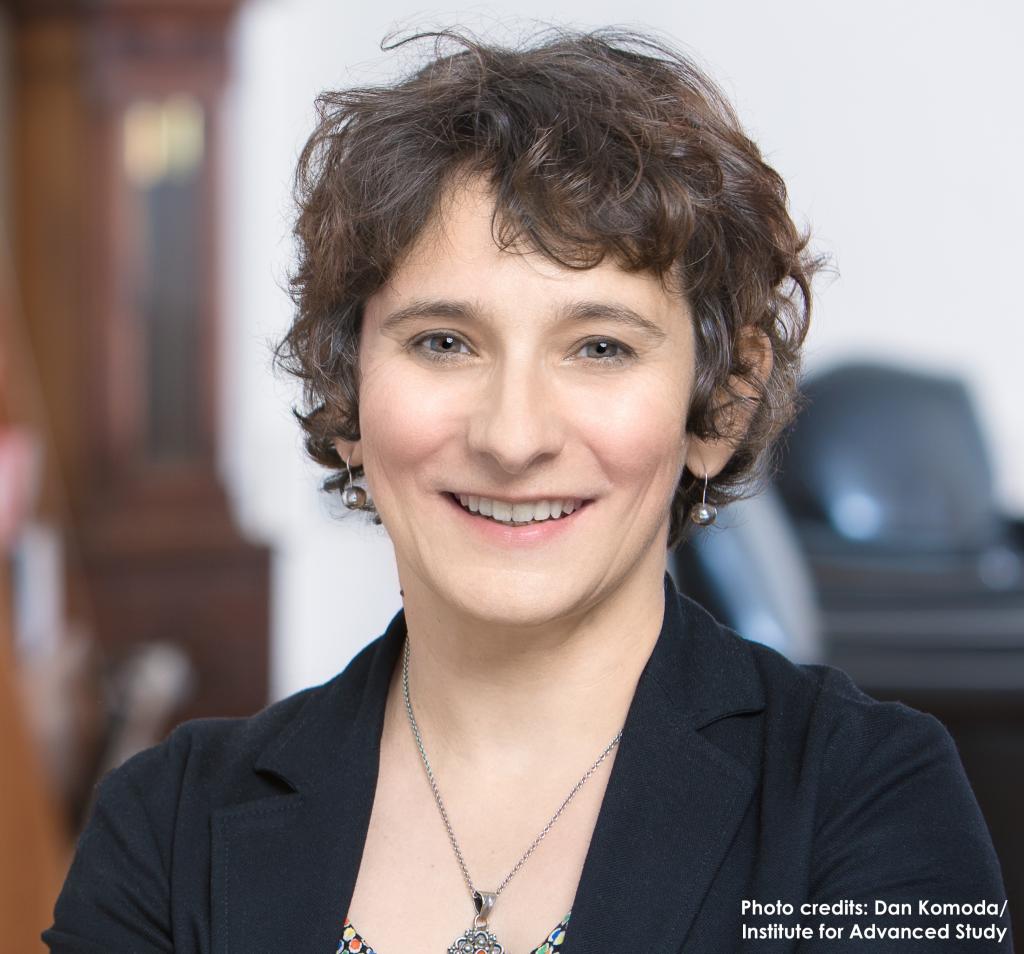
A Letter from Marion Fourcade
"I am profoundly grateful for the opportunity to serve as Matrix's faculty director for the last seven years...." Read a letter from Professor Marion Fourcade, who recently stepped down from her role as Director of Social Science Matrix following a highly successful term.
Learn More >Book Talk
Recap

Benjamin Recht: “The Irrational Decision: How We Gave Computers the Power to Choose for Us”
Recorded on May 5, 2026, this video features a talk by Benjamin Recht, Professor of Electrical Engineering and Computer Sciences at UC Berkeley, focused on his book, The Irrational Decision: How We Gave Computers the Power to Choose for Us. Professor Recht was joined in conversation by Marion Fourcade, Professor of Sociology and Director of […]
Learn More >Authors Meet Critics
Recap

Incommunicable: Toward Communicative Justice in Health and Medicine
Watch the video (or listen to the podcast) of our Authors Meet Critics panel featuring the book "Incommunicable: Toward Communicative Justice in Health and Medicine," by Charles Briggs, Distinguished Professor of Anthropology at UC Berkeley. Professor Briggs was joined in conversation by Elinor Ochs and Eric Snoey, with Armando Lara-Millán moderating.
Learn More >Authors Meet Critics
Recap

The Insatiable Machine: How Capitalism Conquered the World
Watch the video (or listen to the podcast) of our Authors Meet Critics panel on the book "The Insatiable Machine: How Capitalism Conquered the World," by Trevor Jackson, Associate Professor of History at UC Berkeley. Professor Jackson was joined in conversation by Chenzi Xu and Dylan Riley, with Abhishek Kaicker moderating.
Learn More >Matrix News
Iris Hui Memorial Fund

History PhD Student Receives Iris Hui Memorial Graduate Student Scholarship
Vincent P. Tran, a PhD student in the Department of History at UC Berkeley, has been selected to receive the scholarship, which honors the vision and goals of Dr. Iris Hui, a PhD graduate of Political Science from UC Berkeley.
Learn More >Matrix On Point
Recap

Matrix on Point: The U.S. Dollar Hegemony in Transition
Recorded on April 8, 2026, this panel brought together scholars to examine the foundation of U.S. monetary influence and the role of financial innovation in an evolving global economy. The panel featured Barry Eichengreen, Rohan Kekre, and Chenzi Xu, with Brian Judge moderating.
Learn More >CRELS
Recap

Algorithms of Distinction: Class, Credit Scores, and Property in South Africa
Watch or listen to a lecture by Julien Migozzi, an economic geographer and Assistant Professor in Development Studies at the University of Cambridge, examining how 21st-century class dynamics become connected with data-driven stratification systems, focusing on the digital transformation of property markets in South Africa.
Learn More >California Spotlight
Recap

California Spotlight: Higher Education Under Attack
Recorded on February 9, 2026, this panel brought together scholars — including Charlie Eaton, Katherine Newman, Juan Pablo Pardo-Guerra, and Christopher Kutz — to examine the forces challenging public higher education today. Drawing on areas spanning finance, policy, and labor, the discussion explored how these dynamics are shaping the UC System, and what is at stake for students, employees, the public, and the future of higher education.
Learn More >Matrix Teach-In
Recap

Matrix Teach-In: Ula Taylor, “The Making of Frances M. Beal’s Black Feminist House”
Recorded on February 19, 2026, this video presents a lecture by Ula Taylor, Professor and Chair of the Department of African American Studies & African Diaspora Studies. The talk centered on Professor Taylor’s current work in progress, an oral biography of Frances M. Beal. The talk was a Matrix Teach-In, a series designed to bring UC Berkeley’s most engaging social science lectures into a public setting.
Learn More >Matrix On Point
Recap

Matrix on Point: Corruption in America
Watch the video (or listen to the podcast) of our recent Matrix on Point panel focused on "Corruption in America," featuring leading scholars from business, political science, and law to examine the many facets of corruption in the United States and the ways it is identified, constrained, and addressed.
Learn More >