



Authors Meet Critics
REGISTER

Event Date: April 7th, 2026
12:00 PM to 1:30 PM PT
Trevor Jackson: “The Insatiable Machine: How Capitalism Conquered the World”
Join us for a panel on "The Insatiable Machine," by Professor Trevor Jackson, which traces capitalism’s development from the accidental construction of an international monetary system to the creation of banking, the emergence of a new form of slavery, fossil–fuel industrialization, and finally the global capitalist system spread by imperialism.
Learn More >Workshop/Symposium
Published August 1, 2014
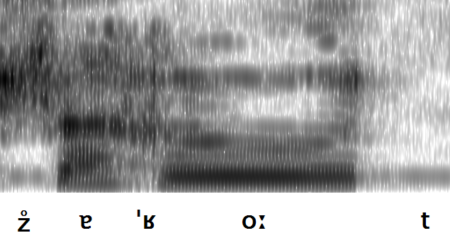
Phonological Phenomenon
A recent Social Science Matrix brought together linguists and other researchers to explore "agreement by correspondence," or ABC.
Learn More >Research Highlights
Article
Published August 1, 2014
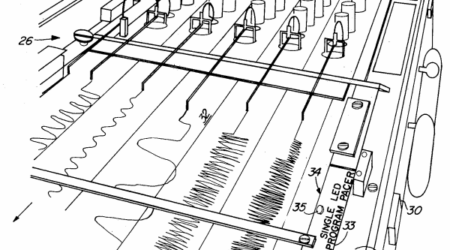
Lie Detector
Recent research by a psychologist at UC Berkeley’s Haas School of Business suggests that our unconscious mind can detect lies.
Learn More >Science
Article
Published July 29, 2014
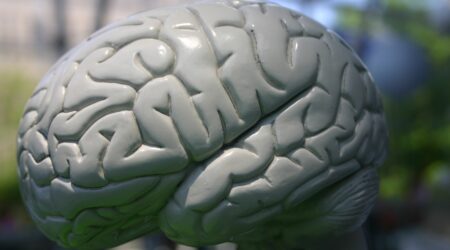
Mind Readers At Work
A team of researchers led by UC Berkeley neuroscientists are getting closer to decoding imagined speech from the brain.
Learn More >Research Highlights
Article

Published July 29, 2014
Arroyos and Socionatures
A UC Berkeley geographer explores a mystery to better understand the relationship between human-caused and natural phenomena.
Learn More >Research Highlights
Article

Published July 29, 2014
When Companies Manage Cities
UC Berkeley political scientist Alison Post’s new book explores the consequences of privatizing urban infrastructure.
Learn More >Research Highlights
Article
Published July 29, 2014
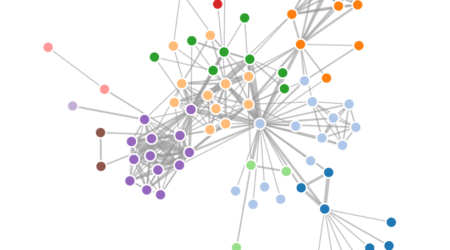
Social Networks from History
A new tool developed by a team at UC Berkeley can help build “prosopographies,” social networks based on names, affiliations, and other historical data.
Learn More >