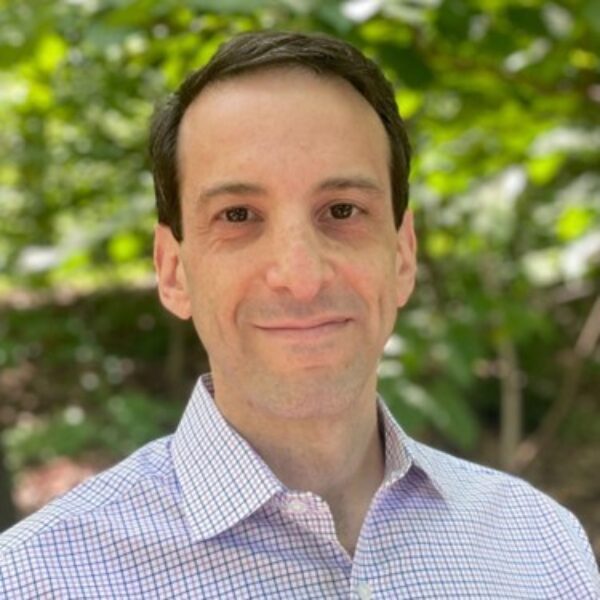



Please register to join us on Wednesday, February 8 at 2:00pm Pacific for a hybrid (in-person and online) talk, “Understanding Land-based Psychological Trauma in Light of Epistemic Justice,” by Dr. Garret Barnwell, South African clinical psychologist and community psychology practitioner.
This event will be presented both online and in-person. A Zoom link will be sent to all registrants prior to the event.
Abstract
The places we live are inseparably connected to who we are. Our relationship with these spaces we come into being through is somewhat foundational to our knowing and being in the world. They shape who we are, and we, in so many ways, shape them, inscribing them with personal meanings and finding social coordinates in them. In this talk, Barnwell uses vignettes to describe how this takes place, emphasizing that these bonds are most evidently seen when threatened. Basing his insights on several years of clinical experience and critical psychology theory, he draws attention to how people’s psychological relationship to place is threatened through grievous acts of epistemic injustices — violence directed at knowledge and speech. These forms of epistemic injustice include the silencing, misrecognition, threats, and killings of land defenders, as well as systematized land dispossession in the name of capitalist expansion and mining. Decolonial and critical psychologies teach us that the language we come into being, which privileges certain politics, ways of knowing and being in the world in relation to such places, has a bearing on subjectivity — what can be said and what is unsayable, and, thus, unactionable. He will describe how such forms of epistemic violence threaten these psychological bonds and produce psychological trauma. Around the world in these extractive zones, Indigenous and land-based resurgent movements play a critical role in defending against epistemic injustices for the flourishing of life. In conclusion, Barnwell draws attention to how such resurgent groups use different forms of land dialogues and speech as integral parts of community resistance and psychological healing.
About the Speaker
Dr. Garret Barnwell is a clinical psychologist working as a psychotherapist and community psychology practitioner. He is most interested in different forms of accompaniment and resistance to extractivism for the flourishing of all life. Barnwell was an expert on the landmark youth-led #cancelcoal climate case launched against the South African government’s plans for new coal-fired power. He is also a member of the American Psychological Association’s Climate Change Advisory Group. Barnwell’s writing includes several expert reports, special issues, and a book, Terrapsychology: Further Inquiry Into Self, Place and Planet (with Prof Craig Chalquist). He is a research associate at the University of Johannesburg in South Africa.
View Map
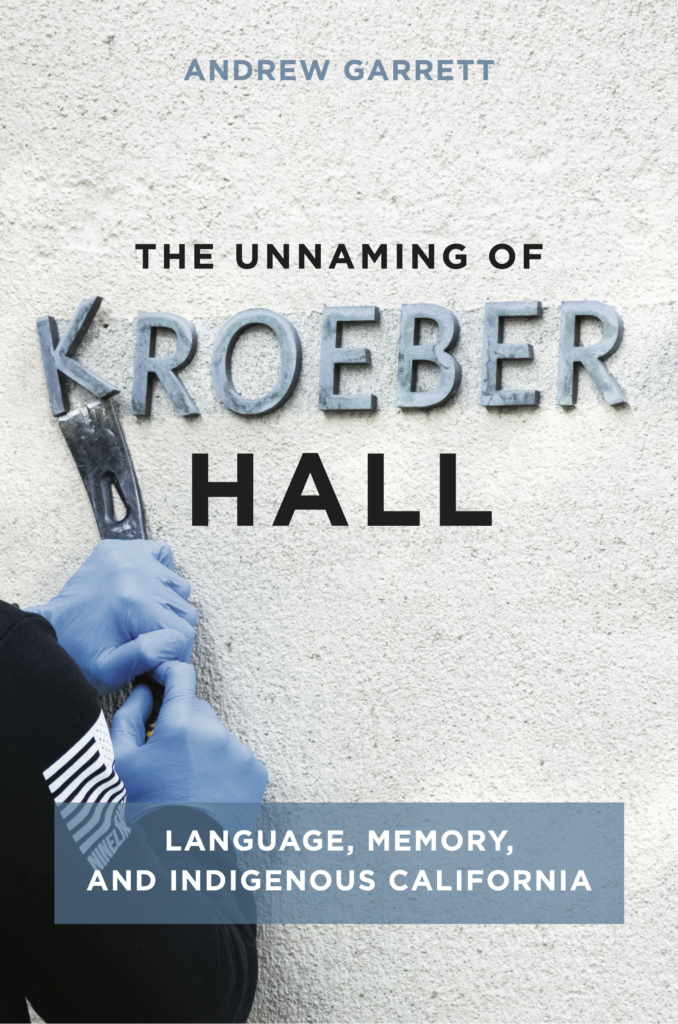
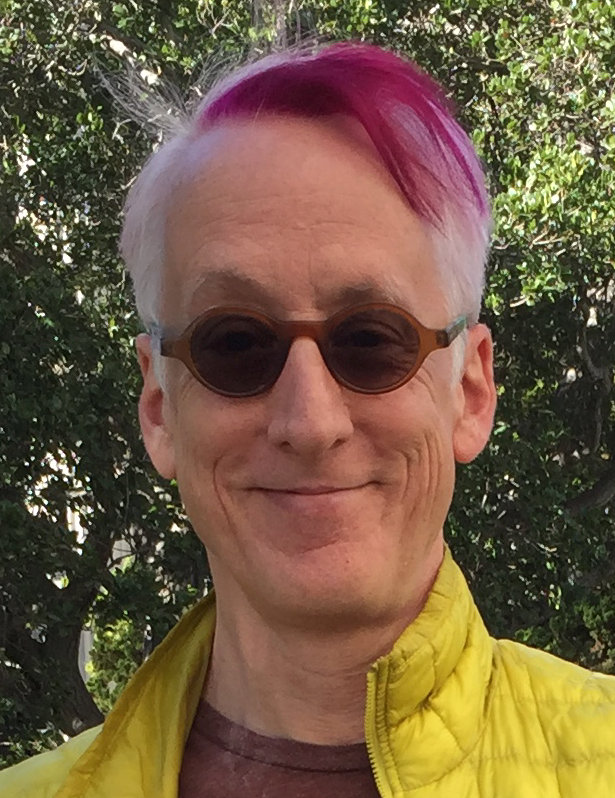
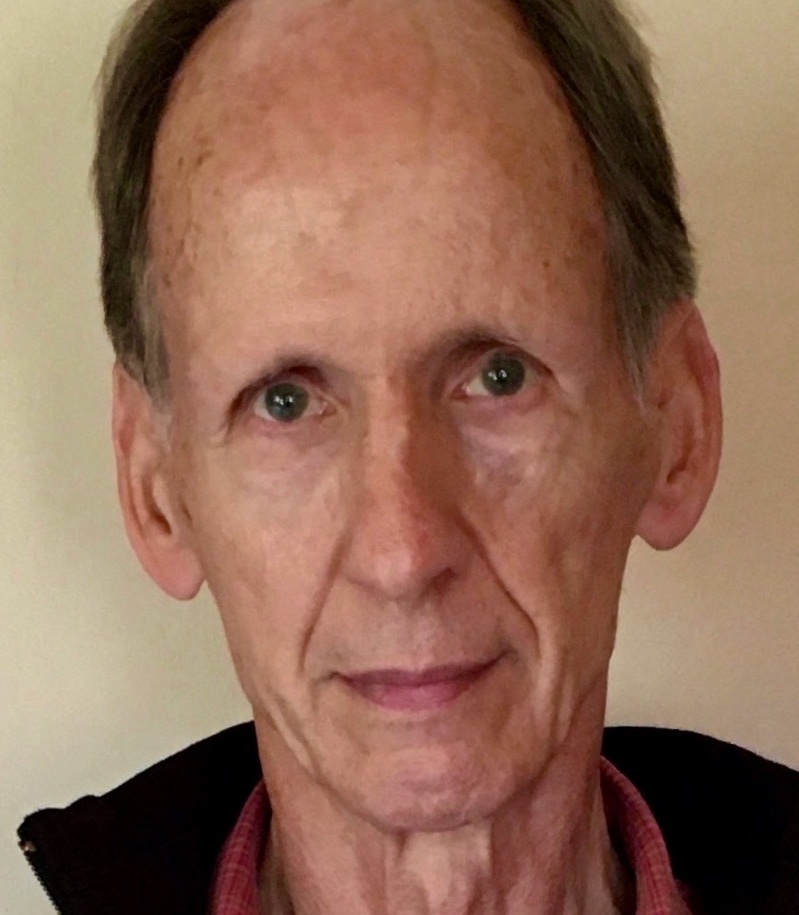
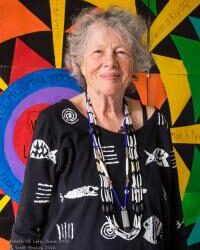

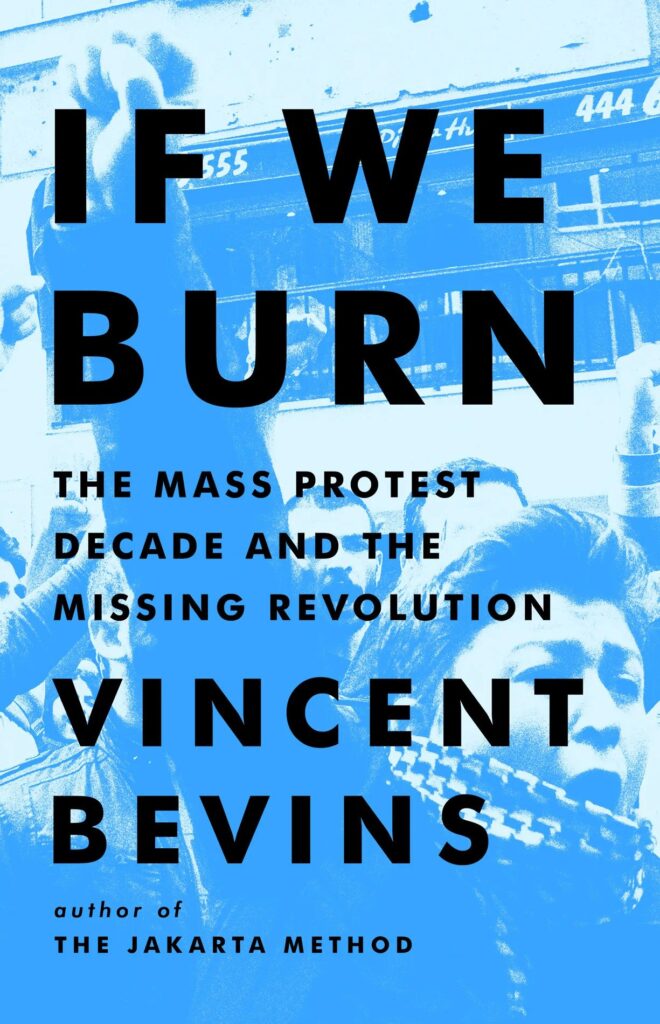
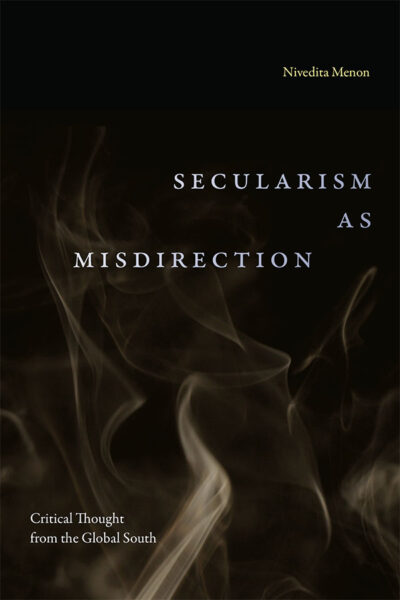 Nivedita Menon, Professor at Centre for Comparative Politics and Political Theory, Jawaharlal Nehru University, Delhi, is the author of

 Daniel Aldana Cohen is Assistant Professor of Sociology at UC Berkeley, where he is Director of the Socio-Spatial Climate Collaborative, or (SC)2. He is also Founding Co-Director of the Climate and Community Project, a progressive climate policy think tank. He is the co-author of A Planet to Win: Why We Need a Green Deal (Verso 2019).
 David Pham
 Emily Ruppel
 Soosun You

 Colleen Lye (Ph.D, Columbia) is Associate Professor of English at UC Berkeley, where she teaches courses on marxism and critical theory, Asian American Studies, and 20th and 21st century literature. She is affiliated with the Designated Emphasis in Critical Theory and the Department of Rhetoric. She is a founding member of the Marxist Institute for Research (MIR).
  Leslie Salzinger is Associate Professor and Chair of Gender and Women’s Studies at UC Berkeley. She got her PhD in Sociology at UC Berkeley and previously taught in the sociology departments at the University of Chicago and Boston College. She writes and teaches on gender, capitalism, nationality, and race and their ongoing co-formations. Her empirical research is ethnographic, mostly focused on Latin America, especially Mexico. Her primary research questions address the cultural constitution of economic processes and the creation of subjects within political economies. Her award-winning first book,
  James Vernon (moderator) is the Helen Fawcett Distinguished Professor of History at UC Berkeley. He is a historian of Britain and its empire with
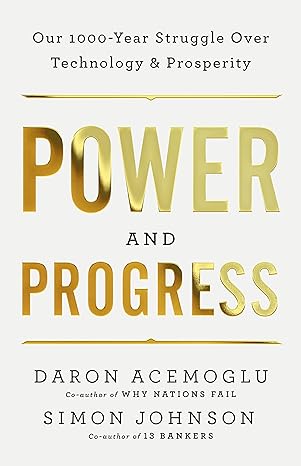 A thousand years of history and contemporary evidence make one thing clear. Progress depends on the choices we make about technology. New ways of organizing production and communication can either serve the narrow interests of an elite or become the foundation for widespread prosperity.