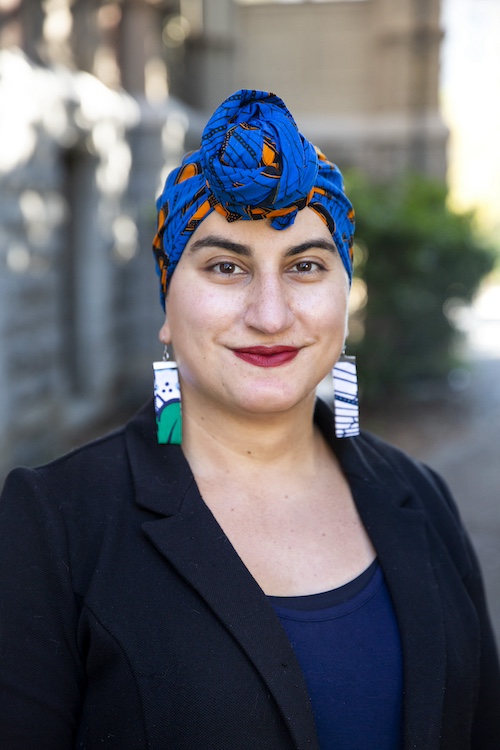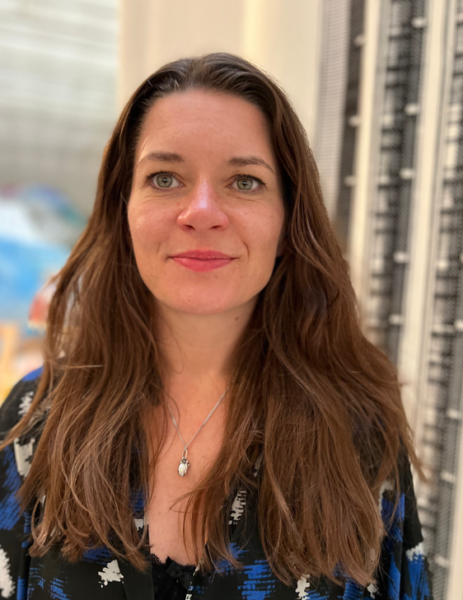




Please register to join us on Tuesday, December 3, 2024 at 12:00pm for an Authors Meet Critics panel on Sin Padres, Ni Papeles: Unaccompanied Migrant Youth Coming of Age in the United States, by Stephanie Canizales, Assistant Professor of Sociology at UC Berkeley and Faculty Director of the Berkeley Interdisciplinary Migration Initiative. Professor Canizales will be joined in conversation by Kristina Lovato, Assistant Professor of Social Welfare, and Caitlin Patler, Associate Professor of Public Policy. Sarah Song, Professor at Berkeley Law, will moderate.
This event will be presented in-person at Social Science Matrix as part of the Authors Meet Critics book series, which features lively discussions about recently published books authored by social scientists at UC Berkeley. For each event, the author discusses the key arguments of their book with fellow scholars. These events are free and open to the public.Co-sponsored by the UC Berkeley Department of Sociology, the Berkeley Interdisciplinary Migration Initiative (BIMI), the Center for Race and Gender, the Othering and Belonging Institute, and the Latinx Research Center.
About the Book
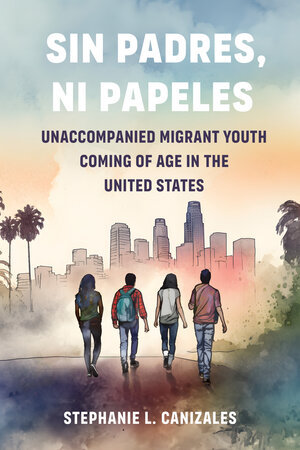 Each year, thousands of youth endure harrowing unaccompanied and undocumented migrations across Central America and Mexico to the United States in pursuit of a better future. Drawing on the firsthand narratives of migrant youth in Los Angeles, California, Stephanie L. Canizales shows that while a lucky few do find reprieve, many are met by resource-impoverished relatives who are unable to support them, exploitative jobs that are no match for the high cost of living, and individualistic social norms that render them independent and alone. Sin Padres, Ni Papeles illuminates how unaccompanied teens who grow up as undocumented low-wage workers navigate unthinkable material and emotional hardship, find the agency and hope that is required to survive, and discover what it means to be successful during the transition to adulthood in the United States.
About the Panelists
 Stephanie L. Canizales, PhD, is a researcher, author, and professor at the University of California at Berkeley, and a Resident Scholar with the U.S. Department of Health and Human Services. Stephanie’s research specializations include international migration and immigrant integration; children, youth, and families; inequality, poverty, and mobility; and race and ethnicity. She uses in-depth interviews and ethnographic research methods to understand the causes of Latin American-origin migration to the U.S. and how immigrant children, youth, and families fare once there. Born and raised in Los Angeles, California, Stephanie is the daughter of Salvadoran immigrants whose experiences growing up as unaccompanied youth in Los Angeles inform her scholarship and motivate her commitment to public scholarship.
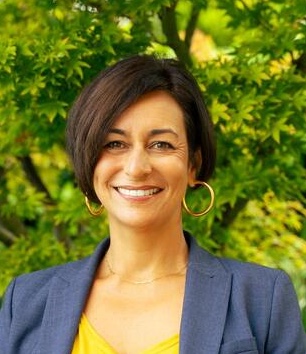 Kristina Lovato, PhD, MSW is an Assistant Professor of Social Welfare. She is a member of the Latinx and Democracy cluster at UC Berkeley and serves as the Director of the Center on Immigration and Child Welfare (CICW) in the School of Social Welfare. Dr Lovato’s scholarly work and teaching is directly informed by her dedication to community- engaged social justice. She has spent the past 20 years working at the intersection of child wellbeing and immigration issues as a bilingual social work practitioner, educator, and researcher. Her research utilizes intersectional, qualitative, and mixed method approaches to examine the impact of immigration policy on Latinx and immigrant child and family wellbeing. She aims to enhance culturally responsive maltreatment prevention strategies and improve child welfare and other social service system responses to meet the needs of immigrant youth and Families.
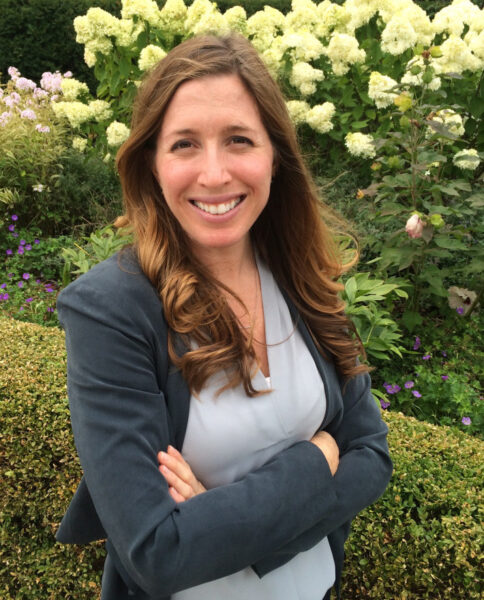 Caitlin Patler is Associate Professor of Public Policy at the UC Berkeley Goldman School of Public Policy, and a faculty affiliate of the Berkeley Interdisciplinary Migration Initiative (BIMI). Dr. Patler is a sociologist whose research examines US immigration and criminal laws, legal statuses, and law enforcement institutions as drivers of socioeconomic and health disparities. Dr. Patler also studies the spillover and intergenerational consequences of systemic inequality for children and household wellbeing. Dr. Patler has received multiple grants and awards for her research on undocumented immigrant young adults, the impacts of the Deferred Action for Childhood Arrivals (DACA) program, and the US immigration prison system. She serves on the Editorial Board of Social Problems.
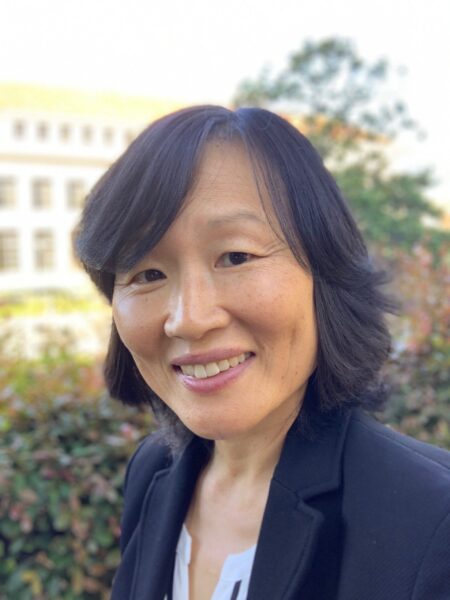 Sarah Song (moderator) is the Milo Rees Robbins Chair in Legal Ethics Professor of Law and Professor of Philosophy and Political Science at UC Berkeley. She is a political theorist with a special interest in issues of democracy, citizenship, migration, and inequality. She teaches in the Ph.D. Program in Jurisprudence and Social Policy (JSP) at Berkeley Law, including courses in political and legal philosophy, citizenship and migration, and feminist theory and jurisprudence. Song is the author of Justice, Gender, and the Politics of Multiculturalism (Cambridge University Press, 2007), which won the 2008 Ralph Bunche Award from the American Political Science Association. Her second book, Immigration and Democracy (Oxford University Press, 2018), explores the values and principles that shape and ought to shape public debate about immigration. The book examines the origins of the plenary power doctrine in U.S. immigration law, analyzes normative arguments for the modern state’s right to control immigration, and considers policy implications for reforming immigration law.






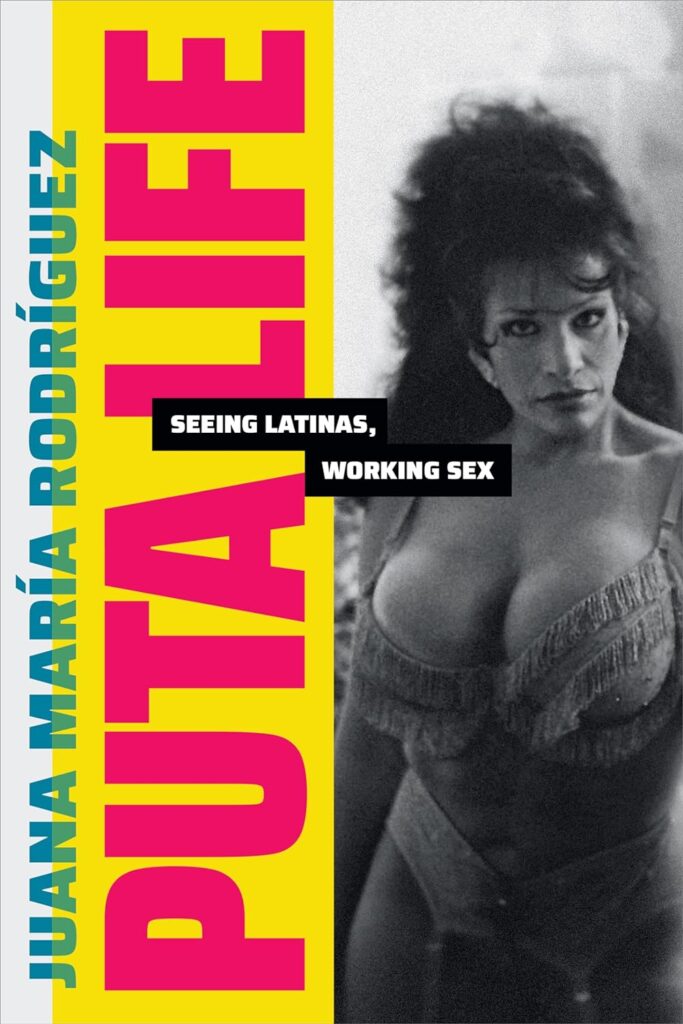
 Juana María Rodríguez
 Courtney Desiree Morris
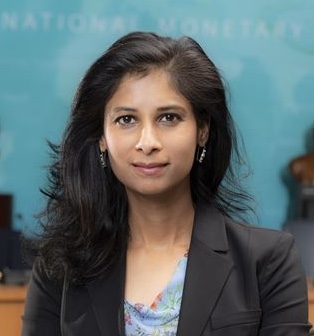



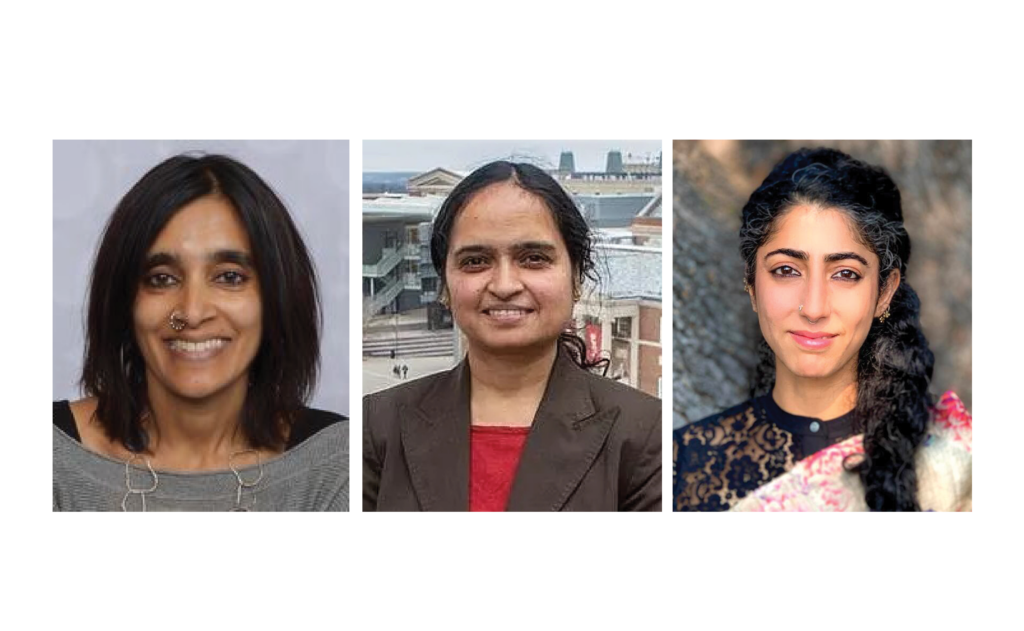
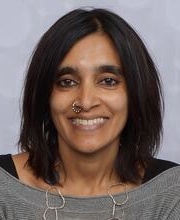 Ajantha Subramanian is Professor of Anthropology at the CUNY Graduate Center. She is a historical anthropologist whose work addresses the historicity and political economy of caste. She is particularly interested in the incorporation of caste into projects of governance and capitalist transformation, and how these projects in turn have shaped the social relations of caste. Her work also considers caste as an instrument of classification and management that has been imagined and deployed in relation to other categories of class, religion, and race. Her first book, Shorelines: Space and Rights in South India (Stanford University Press, 2009; Yoda Press, 2013), chronicles the struggles for resource rights by Catholic fishers on India’s southwestern coast, with a focus on how they have used spatial imaginaries and practices to constitute themselves as political subjects. Her second book, The Caste of Merit: Engineering Education in India (Harvard University Press, 2019), analyzes meritocracy as a terrain of caste struggle in India and its implications for democratic transformation. She is currently working on two projects, the first on Dalit politics in a gold mining company town in South India and the second on the transnationalization of caste in the United States.
 Shailaja Paik is the Charles P. Taft Distinguished Professor of History and Affiliate in Women’s, Gender, and Sexuality Studies and Asian Studies at the University of Cincinnati. She specializes in the social, intellectual, and cultural history of Modern India. Her first book Dalit Women’s Education in Modern India: Double Discrimination (Routledge, 2014) examines the nexus between caste, class, gender, and state pedagogical practices among Dalit (“Untouchable”) women in urban India. My second book The Vulgarity of Caste: Dalits, Sexuality, and Humanity in Modern India (Stanford University Press, 2022) analyzes the politics of caste, class, gender, sexuality, and popular culture in modern Maharashtra.
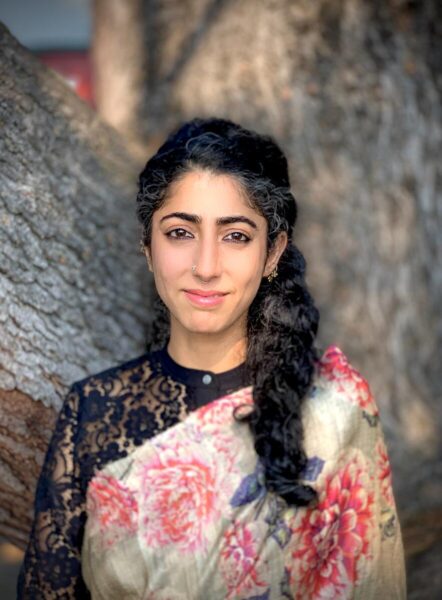 Aarti Sethi (moderator) is Assistant Professor at the Department of Anthropology at UC Berkeley, and 2023-2024 Matrix Faculty Fellow. She is a socio-cultural anthropologist with primary interests in agrarian anthropology, political-economy, and the study of South Asia. Her research interests broadly focus on the transformation of rural life-worlds and agrarian capitalism. She is currently working on two projects. The first is a book that examines cash-crop agricultural economies to understand how monetary debt undertaken for transgenic cotton-cultivation transforms intimate, social, and productive relations in rural society. Her second project called Republic of Readers explores the relationship between reading literacy and libraries as sites of postcolonial democracy and citizenship.