Music, the Diaspora, and the World: A Conversation with Angélique Kidjo

Co-sponsored by the Townsend Center for the Humanities, Cal Performances, and the Black Studies Collaboratory

Angelique Kidjo

One could say that, by definition, music is the most diasporic of art forms. It is movement itself. It is hybridity. It passes from place to place and from time to time, heedless of natural or social borders. Music belongs everywhere, and yet it is always from somewhere. Diasporic themes and histories have been central not only to the creation and commodification of new musical forms, but also to the emergence of global identities and solidarities.

In this conversation, Social Science Matrix, together with the Townsend Center for the Humanities, Cal Performances, and the Black Studies Collaboratory, take advantage of the precious artist-in-residency of Angélique Kidjo on the UC Berkeley campus to open a conversation about the global circulation of African musical forms and musicians, its worldwide significance, and its social power.

How are we to think about notions of “traditional music,” “ethnic music,” or “folk music” at the current time? Where and how does musical innovation take place, and how is it recognized and received in different parts of the world? How do we think about the entanglement between music and the struggle for social justice?

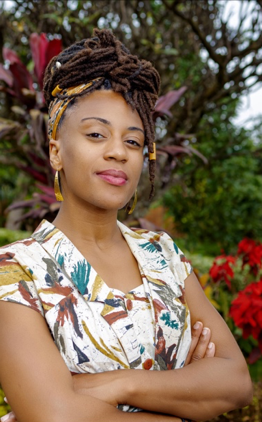
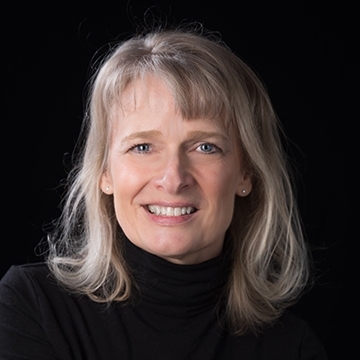
Angélique Kidjo will be joined in conversation by Tianna Paschel, Associate Professor in the UC Berkeley Department of African American Studies; Ivy Mills, Lecturer, Visual and Literary Cultures of Africa and the African Diaspora; and Victoria Grubbs, Lecturer and Black Studies Collaboratory Postdoctoral Fellow.

Details: This event will be held in person on October 28, from 12pm-1pm PDT at Social Science Matrix, 820 Social Sciences Building, on the UC Berkeley campus. We will also broadcast the event via Zoom and will send a link to all registrants prior to the event. Note that there may be a limit on the number of in-person attendees, and so seats will be available on a first-come, first-served basis. If you have any questions for the panel in advance of the event, please submit them through the registration form.

Register to attend


Panelist Biographies

Angélique Kidjo: Four-time Grammy Award winner Angélique Kidjo is one of the greatest artists in international music today, a creative force with thirteen albums to her name. Time Magazine has called her “Africa’s premier diva”. The BBC has included her in its list of the continent’s 50 most iconic figures, and in 2011 The Guardian listed her as one of their Top 100 Most Inspiring Women in the World. Forbes Magazine has ranked Angelique as the first woman in their list of the Most Powerful Celebrities in Africa. She is the recent recipient of the prestigious 2015 Crystal Award given by the World Economic Forum in Davos, Switzerland, the 2016 Amnesty International Ambassador of Conscience Award, and the 2018 German Sustainability Award.

As a performer, her striking voice, stage presence and fluency in multiple cultures and languages have won respect from her peers and expanded her following across national borders. Kidjo has cross-pollinated the West African traditions of her childhood in Benin with elements of American R&B, funk and jazz, as well as influences from Europe and Latin America. Angélique also travels the world advocating on behalf of children in her capacity as a UNICEF and OXFAM goodwill Ambassador. At the G7 Summit in 2019, President Macron of France named Kidjo as the spokesperson for the AFAWA initiative (Affirmative Finance Action for Women in Africa) to help close the financing gap for women entrepreneurs in Africa. She has also created her own charitable foundation, Batonga, dedicated to support the education of young girls in Africa.


Ivy MillsIvy Mills is a scholar of African Cultural Studies and teaches courses on African and African diaspora visual cultures in the History of Art Department at the University of California, Berkeley. Trained in African Diaspora Studies at UC Berkeley, she lived in Dakar, Senegal for four years, where she conducted Fulbright-funded research on Senegalese cultural production and taught university courses. She has ongoing research projects on queer animality and social death in Senegalese art, folktales, and cinema; comedic whiteface performance; the visualization of gendered piety in Wolof melodrama and contemporary Senegalese art; ecology and sacred architecture in urban visual culture; and visual activism in Lagos, Nigeria. She co-curated the Bernice L. Brown Gallery exhibition Love across the Global South: Popular Cinema Cultures of India and Senegal, and has moderated conversations with artists and curators for the Museum of the African Diaspora in San Francisco and the Berkeley Art Museum. More recently, she contributed to the exhibition Mothership: Voyage into Afrofuturism, currently on view at the Oakland Museum of California. She has practiced West African dance for many years (in Paris, Rhode Island, and the Bay Area). The daughter of a visual artist and jazz musician, she approaches African cultural production as multisensorial experience, where music, dance, performance, visual forms, text, and intangible spiritual energies co-constitute the event.


Tianna PaschelTianna Paschel is Associate Professor of Sociology and African American Studies at the University of California – Berkeley. Her work explores Afro-diasporic politics, social movements and transnationalism in the Americas. She is the author of the award-winning book, Becoming Black Political Subjects: Movements and Ethno-Racial Rights in Colombia and Brazil, and co-editor of Afro-Latin@s in Movement. Her work has been published in the American Journal of Sociology, the Du Bois Review, SOULS and Sociological Forum. Lesser known is Paschel’s decades of studying, teaching and performing Afro-Cuban and Afro-Brazilian dance. Paschel danced with the Los Angeles-based group Omo Ashé, and with Teresita Dome Pérez, former dancer of Afro-Cuba de Matanzas. She has also performed with the late drummer and composer Francisco Aguabella and Los Muñequitos de Matanzas. Paschel was also a principal dancer with Ashe Moyubba Folkloric Company under the direction of Oscar Rousseaux in Washington D.C. for two years, as well as the Afro-Colombian dance company Tambores de Eleggua in Bogotá, Colombia. She has also worked in solidarity with Afro-Colombian struggles through the Afro-Colombian Solidarity Network (ACSN) and the Network of Anti-Racist Research and Action (RAIAR). She is co-principal investigator along with Dr. Leigh Raiford of the Mellon-funded Black Studies Collaboratory, which aims to bring together artists, activists, locals, and scholars to amplify the interdisciplinary, political, and world-building work of Black Studies. Paschel is currently working on two book-length projects, one titled Exporting Racial Paradise: the Transnational Making and Unmaking of Brazil, and a second one, with Dr Cristina Mora, on race, economic precarity and belonging in California.


Victoria GrubbsVictoria Netanus Grubbs is a black feminist sound theorist and abolitionist educator with a commitment to developing and supporting radical black futures unforeseen. She has recently joined the UC Berkeley community as a Postdoctoral Fellow with the Black Studies Collaboratory in the Department of African American Studies. Her research interests broadly include the political economy of cultural production, transnational/diasporic cultural networks, the semiotics of sound, and the aesthetics of blackness.

Victoria completed an Ed.M in Sociology from Columbia University and a BA in Ethnomusicology from the University of Redlands Johnston Center for Integrative Studies before earning a PhD in Media, Culture and Communication from New York University. Her dissertation titled Kumva Meze Neza: Sounding Blackness in Rwanda, draws on four years of participant observation amongst Rwandan music industry professionals and their audiences to demonstrate how contemporary Rwandan music works in the aftermath of genocide to produce a collective social body. Motivated by the semiotic labor of producing “a people,” her work investigates the genres of humanity that black sonic culture make possible. Victoria is also the founder and creative director of a community music studio and record label for upcoming artists in Kigali, Rwanda called GMC Records. Their most recent album LOCKDOWN was released in September 2021 and is now available on all streaming platforms.


View Map

How Black Lives Matter Influenced the 2020 Presidential Election

2021 Citrin Award Lecture, presented by the Citrin Center for Public Opinion Research

Diana Mutz

The Citrin Award Lecture is an annual event of the Jack Citrin Center for Public Opinion Research. The Citrin award recognizes the career of an individual who has made significant contributions to the study and understanding of public opinions.

The 2021 Citrin Award honors the scholarship of Diana Mutz, Samuel A. Stouffer Professor of Political Science and Communication at the University of Pennsylvania, and Director of the Institute for the Study of Citizens and Politics, whose wide-ranging work using both surveys and experiments has enhanced knowledge in communication and persuasion in politics with a much-needed focus on the bases of civility and mutual understanding in American democracy.

Please join us on October 7 for an online lecture by Professor Mutz focused on how the Black Lives Matter movement influenced the 2020 presidential election. The event will be moderated by Laura Stoker, Professor of the Graduate School in the Department of Political Science at the University of California, Berkeley.

Register

About Diana Mutz

Diana C. Mutz, Ph.D. Stanford University, does research on public opinion, political psychology and mass political behavior, with a particular emphasis on political communication. At Penn she holds the Samuel A. Stouffer Chair in Political Science and Communication, and also serves as Director of the Institute for the Study of Citizens and Politics.

In 2021, she was elected to the National Academy of Sciences. In 2011, she received the Lifetime Career Achievement Award in Political Communication from the American Political Science Association. She was inducted as a Fellow of the American Academy of Arts and Sciences in 2008.

Mutz has published articles in a variety of academic journals including American Political Science ReviewAmerican Journal of Political SciencePublic Opinion QuarterlyJournal of Politics and Journal of Communication. She is also the author of Impersonal Influence: How Perceptions of Mass Collectives Affect Political Attitudes (Cambridge University Press, 1998), a book awarded the Robert Lane Prize for the Best Book in Political Psychology by the American Political Science Association, and the 2004 Doris Graber Prize for Most Influential Book on Political Communication published in the last ten years. In 2006, she published Hearing the Other Side: Deliberative Versus Participatory Democracy (Cambridge University Press, 2006) which was awarded the 2007 Goldsmith Prize by Harvard University, the Robert Lane Prize for the Best Book in Political Psychology by the American Political Science Association, and the American Association for Public Opinion Research Book Award in 2019.

In-Your-Face Politics: The Consequences of Uncivil Media, was published by Princeton University Press in 2015.  It received the Best Book Award from the International Society for Political Psychology, in 2016 and the Doris Graber Prize by 2017 APSA Political Communication section. Mutz also served as founding co-PI of Time-sharing Experiments for the Social Sciences (TESS), an interdisciplinary infrastructure project that continues to promote methodological innovation across the social sciences (see www.tessexperiments.org). Mutz and co-PI Skip Lupia received the Warren Mitofsky Innovators Award in 2007 for creating and implementing this ongoing project. She subsequently wrote Population-Based Survey Experiments (Princeton University Press, 2011) which offers the first book-length treatment of this method drawing examples from across the social sciences.

Her latest book is out in summer 2021 and is entitled Winners and Losers: The Psychology of Foreign Trade (Princeton University Press). Before coming to Penn, Professor Mutz taught at the University of Wisconsin-Madison, and the Ohio State University.

Laura Stoker, Moderator

Laura Stoker is Professor of the Graduate School in the Department of Political Science at the University of California, Berkeley. Her research focuses on the development and change of political attitudes and behavior with a focus on family influences and generational change. She also writes on topics at the intersection of research design and statistics, including the optimal design of multi-level studies, problems of aggregation, and the estimation of cohort effects. She has regularly taught undergraduate and graduate courses on political psychology and research methods. Her publications have appeared in many venues including the American Political Science Review, American Journal of Political Science, British Journal of Political Science, Electoral Studies, and Journal of Politics. Stoker is the recipient of fellowships from the Center for Advanced Study in the Behavioral Sciences (CASBS), Oxford University, and the University of Manchester. Stoker has served on the Board of the American National Election Studies (2000-2002, 2018-present; Chair 2000-2002), the British National Election Studies (2014-2016), and the CASBS Causal Inference for Social Impact Lab (2019-present).

Critical Infrastructure Under Stress

An Interdisciplinary Initiative at UC Berkeley

crumbling infrastructure

Global Metropolitan Studies and Social Science Matrix invite members of the UC Berkeley community — including doctoral students, researchers, and faculty — to participate in a campus-wide, interdisciplinary research initiative entitled, “Critical Infrastructure Under Stress.” The objective of this year-long series of events is to build connections across disciplines and to define and enable an impactful research agenda that leverages the rich research community at UC Berkeley and beyond.

The kick-off workshop, to be held on Friday, October 8, will feature lightning talks and breakouts on the following broad themes:

  • Infrastructure and Public Purpose
  • Pandemic Revelations and Accelerations
  • Deterioration, Disaster, and Resilience

The Organizing Committee for this initiative comprises representatives from diverse departments, including: Sai Balakrishnan, City and Regional Planning; Marion Fourcade, Sociology; Matt Kondolf, Landscape Architecture; Alison Post, Political Science; Cihan Tugal, Sociology; and Joan Walker, Civil and Environmental Engineering.

Please register through the link below to receive information about the location of this event. Note that a Cal Green Access Badge and/or proof of vaccination and ID are required for entry.

Registration link


Program


1:00pm – 2:30pm: Introduction to Initiative and Themes


Dean Tsu-Jae King Liu, College of Engineering

Prof. Sai Balakrishnan, City and Regional Planning

Prof. Stephen Collier, City and Regional Planning

Prof. Paul Edwards, Science Technology and Society (Stanford)

Dr. Alex Schafran, Institute for Metropolitan Studies (San Jose State University)

Prof. Raja Sengupta, Civil and Environmental Engineering

Prof. Kenichi Soga, Civil and Environmental Engineering

Prof. Alison Post, Political Science

Prof. Joan Walker, Civil and Environmental Engineering


2:30pm – 4:00pm: Thematic Strategy Breakout Discussions


Theme C: Deterioration, Disaster, and Resilience

Soga from Intro session

Prof. Charisma Acey, City and Regional Planning

Prof. Adda Athanasopoulos-Zekkos, Civil and Environmental Engineering

Salma Elmallah, Energy and Resources Group and GMS DE

Prof. Daniel Kammen, Energy and Resources Group

Prof. G. Mathias Kondolf, Landscape Architecture and Environmental Planning

Prof Danielle Rivera, Landscape Architecture and Environmental Planning

Dr. Anna Serra-Llobet, CCRM/Social Science Matrix


Theme A: Infrastructure and Public Purpose

Edwards, Post, and Schafran from Intro session

Dagin Faulkner, City and Regional Planning

Prof. Zoé Hamstead, City and Regional Planning

Dr. Jane Macfarlane, Director, Smart Cities and Sustainable Mobility

Julia Sizek, Anthropology

Prof. Cihan Tugal, Sociology

Dr. Jeff Vincent, Director, Center for Cities & Schools


Theme L: Pandemic Revelations and Accelerations

Balakrishnan and Sengupta from Intro session

Juan Caicedo, Civil and Environmental Engineering and GMS DE

Prof. Marion Fourcade, Sociology

Prof. Ashok Gadgil, Civil and Environmental Engineering

Madeleine Parker, City and Regional Planning and GMS DE


And you! We welcome UCB Doctoral students, Staff, and Faculty Researchers.


4:00pm: Reception and Wrap-up

 

REGISTER

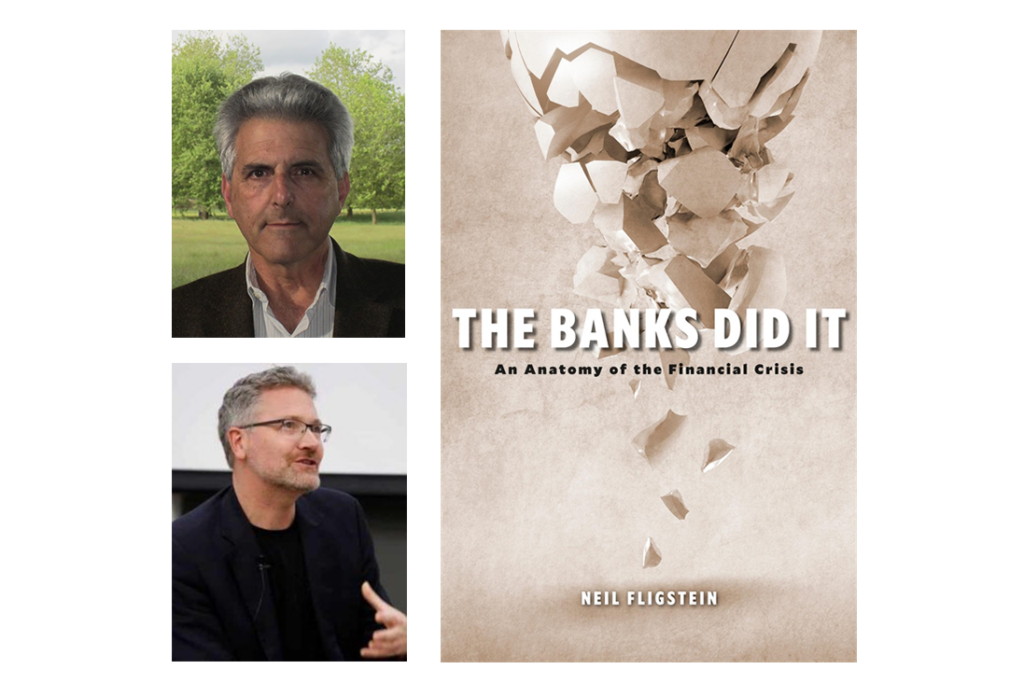
Authors Meet Critics: “The Banks Did It: An Anatomy of the Financial Crisis,” with Neil Fligstein and Adam Tooze

Fligstein and Tooze

Please join us on December 3, 12pm PST for an “Authors Meet Critics” discussion focused on The Banks Did It: An Anatomy of the Financial Crisis, by Neil Fligstein, Class of 1939 Chancellor’s Professor in the UC Berkeley Department of Sociology. Professor Fligstein will be joined in conversation by Adam Tooze, Kathryn and Shelby Cullom Davis Professor of History at Columbia University and author of Crashed: How a Decade of Financial Crises Changed the World (2018).

Register Here


About the Book

The Banks Did It book coverMore than a decade after the 2008 financial crisis plunged the world economy into recession, we still lack an adequate explanation for why it happened. Existing accounts identify a number of culprits—financial instruments, traders, regulators, capital flows—yet fail to grasp how the various puzzle pieces came together. The key, Neil Fligstein argues, is the convergence of major U.S. banks on an identical business model: extracting money from the securitization of mortgages. But how, and why, did this convergence come about?


The Banks Did It: An Anatomy of the Financial Crisis carefully takes the reader through the development of a banking industry dependent on mortgage securitization. Fligstein documents how banks, with help from the government, created the market for mortgage securities. The largest banks—Countrywide Financial, Bear Stearns, Citibank, and Washington Mutual—soon came to participate in every aspect of this market. Each firm originated mortgages, issued mortgage-backed securities, sold those securities, and, in many cases, acted as their own best customers by purchasing the same securities. Entirely reliant on the throughput of mortgages, these firms were unable to alter course even when it became clear that the market had turned on them in the mid-2000s.

With the structural features of the banking industry in view, the rest of the story falls into place. Fligstein explains how the crisis was produced, where it spread, why regulators missed the warning signs, and how banks’ dependence on mortgage securitization resulted in predatory lending and securities fraud. An illuminating account of the transformation of the American financial system, The Banks Did It offers important lessons for anyone with a stake in avoiding the next crisis.

About the Panelists

Neil Fligstein is the Class of 1939 Chancellor’s Professor. He is also the Director of the Center for Culture, Organization, and Politics. He is Co-Chair with Steve Vogel of the Network for a New Political Economy. His main research interests lie in the fields of economic sociology, political economy, and organizational theory. He has been interested in developing and using a sociological view of how new social institutions emerge, remain stable, and are transformed to study a wide variety of seemingly disparate phenomena including the history of the large American corporation, the construction of a European legal and political system, and the financial crisis of 2007-2009. He has used this framework to create a more general view of how markets and states are mutually constitutive and applied this framework to trying to make sense of how global markets work. In 2008, he published a book entitled Euroclash: The EU, European Identity, and the future of Europe (Oxford, Eng.: Oxford University Press, 2008). The central theme of the book is to document how European integration in the past 20 years has created a partial integration of European societies along political, economic, but most importantly social lines. His book with Doug McAdam, titled of A Theory of Fields (Oxford University Press, 2012), is a theoretical work that tries to combine insights from institutional theory, social movements theory, and organizational theory to create a general set of understandings of how new social spaces are constructed, maintained, and transformed. Professor Fligstein has written a series of papers with Adam Goldstein, Jacob Habinek, Jonah Stuart Brundage, Michael Schultz, Alex Roehrkasse and Zawadi Rucks Ahidiana about the financial crisis that swept the industrialized world in 2008.

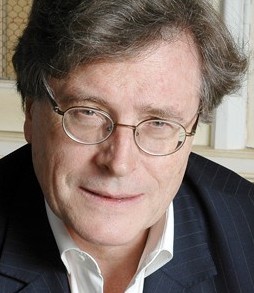
Adam Tooze holds the Shelby Cullom Davis chair of History at Columbia University and serves as Director of the European Institute. He teaches and researches widely in the fields of twentieth-century and contemporary history. From a start in modern German history with a special focus on the history of economics and economic history his interests have widened to take in a range of themes in political, intellectual and military history, across a canvass stretching from Europe across the Atlantic. His first book, Statistics and the German State: the Making of Modern Economic Knowledge appeared in 2001. Wages of Destruction: the Making and Breaking of the Nazi Economy, was published in 2006 and Deluge: The Great War and the Remaking of the Global Order 1916-1931 in 2014. For these books Adam won the Leverhulme prize fellowship, the H-Soz-Kult Historisches Buch Prize, the Longman History Today Prize, the Wolfson Prize and the LA Times History Prize. He was shortlisted for the Kirkus review, Duff Cooper and Hessel Tiltman prize and his books have featured in the book of the year lists of the Financial TimesLA TimesKirkus ReviewForeign Affairs and the Economist. His most recent book was Crashed: How a Decade of Financial Crises Changed the World (2018). His most recent book is Shutdown: How Covid Shook the World’s Economy. He has written and reviewed for the Financial Times, the Guardian, the Sunday Telegraph, the TLS, the LRB, the New left Review, the New Statesman, the WSJ, the New York Times, the New York Review of booksDissentDie ZeitSpiegel, TAZ and the Sueddeutsche Zeitung.


Doing Academic Research with Amazon Mechanical Turk

Co-sponsored by Social Science Matrix and D-Lab

Mechanical Turk

Amazon Mechanical Turk (MTurk) has become increasingly popular as an online tool for conducting social science research. At the same time that MTurk has dominated research practices, its parent company has come under fire for its labor practices and monopolistic behaviors. What are the specific advantages and downsides of using online crowdsourcing tools like MTurk for conducting research? What practical and/or moral dilemmas might emerge in the course of the research process, and what concrete strategies have scientists developed to address them? Presented as part of the Social Sciences and Data Science event series, this panel will bring together researchers who will share their experience with the platform, as well as others who have written about the social and ethical aspects of MTurk more generally.

Co-sponsored by Social Science Matrix and the UC Berkeley D-Lab, this event will be presented in-person at Social Science Matrix on the UC Berkeley campus (820 Social Sciences Building), and will also be streamed via Zoom. A link to the online stream will be sent to registrants prior to the event.

Register Here

Panelists

Ali Alkhatib is the interim director of the Center for Applied Data Ethics at the University of San Francisco. He applies social science to study human-computer interaction, particularly how people relate to individual algorithmic systems and with algorithmically mediated social ecologies. His past work has covered such topics as how gig work disempowers workers; why AI makes so many frustrating errors at the margins; or how the power AIs wield allows them to get increasingly unhinged from the reality we live in. He studied Computer Science at Stanford while pursuing a PhD, and earned his B.A. in Anthropology & B.S. in Informatics, specializing in human-computer interaction, from UC Irvine.

Stefano DellaVigna is the Daniel Koshland, Sr. Distinguished Professor of Economics and Professor of Business Administration at the University of California, Berkeley. He is a Fellow of the American Academy of Arts and Sciences and of the Econometric Society, an Alfred P. Sloan Fellow (2008-10), and a Distinguished Teaching Award winner (2008). He specializes in Behavioral Economics and has published in international journals such as the American Economic Review, the Journal of Political Economy, and the Quarterly Journal of Economics. He has been a co-editor of the American Economic Review, one of the leading journals in economics, since 2017. His recent work has focused on (i) the ability of experts to forecast research results, (ii) the analysis of gender differences in editorial choices and academic honors, and (iii) the impact of nudges and bottlenecks in behavioral policy experiments.

Gabriel Lenz is a Professor of Political Science at UC Berkeley. He studies democratic politics, focusing on what leads citizens to make good political decisions, what leads them to make poor decisions, and how to improve their choices. His work draws on insights from social psychology and economics, and his research and teaching interests are in the areas of elections, public opinion, political psychology, and political economy. Although specializing in American democracy, he also conducts research on Canada, UK, Mexico, Netherlands, and Brazil. He has ongoing projects about improving voters’ assessments of the performance of politicians, reducing the role of candidate appearance in elections, and measuring political corruption. His past publications include Follow the Leader?: How Voters Respond to Politicians’ Policies and Performance.

Serena Chen (moderator) is Professor and Chair of Psychology and the Marian E. and Daniel E. Koshland, Jr. Distinguished Chair for Innovative Teaching and Research at the University of California, Berkeley. Her research focuses on the self and identity, interpersonal relationships, and social power and hierarchy. She is a Fellow of the Society of Personality and Social Psychology, American Psychological Association, and Association of Psychological Science. Dr. Chen was also the recipient of the Early Career Award from the International Society for Self and Identity, and the Distinguished Teaching Award from the Social Sciences Division of the University of California, Berkeley.

View Map

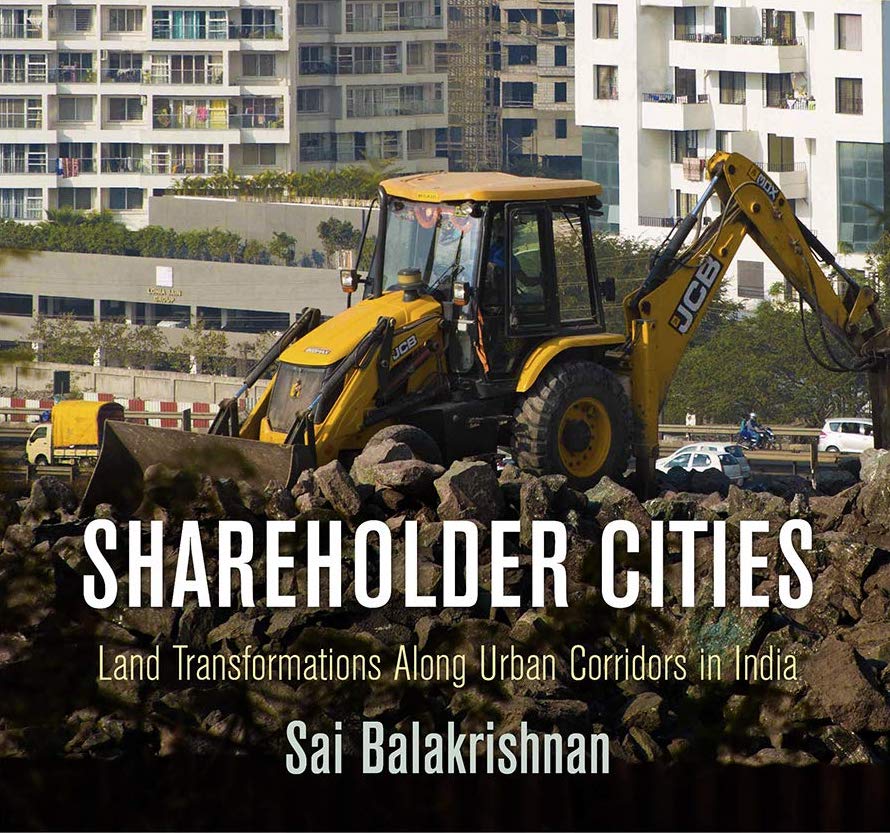
Author Meet Critics: “Shareholder Cities: Land Transformations along Urban Corridors in India”

Shareholder Cities book cover

Co-sponsored by the UC Berkeley Institute for South Asia Studies

Please join us on November 16, 2021 from 9:30am-11am Pacific for an “Authors Meet Critics” presentation focused on the book Shareholder Cities: Land Transformations along Urban Corridors in India (University of Pennsylvania Press, 2019), by Sai Balakrishnan, Assistant Professor of City and Regional Planning at UC Berkeley, with a joint appointment with DCRP and Global Metropolitan Studies. Professor Balakrishnan will be joined in conversation by Sharad Chari, Associate Professor of Geography at UC Berkeley, and Michael Watts, Class of ‘63  and Chancellor’s Professor of Geography Emeritus, and Co-Director of Development Studies at UC Berkeley.

Shareholder Cities: Land Transformations along Urban Corridors in India  explores new spatial forms of urbanization by focusing on land contestations along infrastructural and economic corridors in liberalizing India. The book explores the production of private mega-enclaves amidst agricultural fields along these corridors. These corridor urbanizations defy our familiar binaries of city and village and our inherited disciplinary silos of agrarian and urban studies. Instead, the book shows how current urban development accretes onto older histories of agrarian capitalism, thus constituting processes of what Balakrishnan calls “recombinant urbanization.”

Register

About the Book

Economic corridors—ambitious infrastructural development projects that newly liberalizing countries in Asia and Africa are undertaking—are dramatically redefining the shape of urbanization. Spanning multiple cities and croplands, these corridors connect metropolises via high-speed superhighways in an effort to make certain strategic regions attractive destinations for private investment. As policy makers search for decentralized and market-oriented means for the transfer of land from agrarian constituencies to infrastructural promoters and urban developers, the reallocation of property control is erupting into volatile land-based social conflicts.

In Shareholder Cities, Sai Balakrishnan argues that some of India’s most decisive conflicts over its urban future will unfold in the regions along the new economic corridors where electorally strong agrarian propertied classes directly encounter financially powerful incoming urban firms. Balakrishnan focuses on the first economic corridor, the Mumbai-Pune Expressway, and the construction of three new cities along it. The book derives its title from a current mode of resolving agrarian-urban conflicts in which agrarian landowners are being transformed into shareholders in the corridor cities, and the distributional implications of these new land transformations.

Shifting the focus of the study of India’s contemporary urbanization away from megacities to these in-between corridor regions, Balakrishnan explores the production of uneven urban development that unsettles older histories of agrarian capitalism and the emergence of agrarian propertied classes as protagonists in the making of urban real estate markets. Shareholder Cities highlights the possibilities for a democratic politics of inclusion in which agrarian-urban encounters can create opportunities for previously excluded groups to stake new claims for themselves in the corridor regions.

About the Panelists

Sai Balakrishnan is an Assistant Professor of City and Regional Planning, in a joint appointment with the Department of City and Regional Planning and Global Metropolitan Studies. Her research and teaching broadly pivot around global urban inequalities, with a particular focus on urbanization and planning institutions in the global south, and on the spatial politics of land-use and property. Her recent book, *Shareholder Cities: Land Transformations along Urban Corridors in India* (University of Pennsylvania Press, 2019), looks at the conflicts and struggles over the commodification / decommodification of land in India’s urbanizing countryside. Her work has been published in the IJURR, Urban Studies, Pacific Affairs, Economic and Political Weekly, and in edited book chapters, and her research has been quoted in media outlets, including The Guardian and Open Magazine. Her public-oriented scholarship includes writing for digital and print media, including the Scroll.in and the Hindu. Her ongoing research builds on her Shareholder Cities book, and is a joint collaboration with historian Arindam Dutta provisionally titled “After the City: Unmodern Development, Disurbanization, and Populism.”

Sharad Chari is Associate Professor of Geography at UC Berkeley, affiliated to the Wits Institute for Social and Economic Research (WiSER) in South Africa. He has written an agrarian historical ethnography of an industrial town in South India (Fraternal Capital), edited books (Development Reader, Other Geographies, and, forthcoming, Ethnographies of Power) and has completed a monograph on the remains of twentieth century racial segregation and struggle in Durban, South Africa (Apartheid Remains). He is currently working on queer biography at apartheid’s end, and a multi-site project on oceanic capital in the Southern African Indian Ocean. Sharad is on the Berkeley editorial team at Critical Times.

​​Michael J. Watts is Class of ‘63 and Chancellor’s Professor of Geography Emeritus, and Co-Director of Development Studies at the University of California, Berkeley where he taught for forty years He served as the Director of the Institute of International Studies at Berkeley from 1994-2004, was Director of Social Science Matrix from 2019-2020. Educated at University College London and the University of Michigan and has held visiting appointments at the Smithsonian Institution, Bergen, Bologna, and London. He served on the Board of Advisors of a number of non-profits including Food First and the Pacific Institute and was Chair of the Board of Trustees of the Social Science Research Council. Watts is a member of the British Academy, a Guggenheim fellow in 2003 and was awarded the Victoria Medal by the Royal Geographical Society in 2004, and the Berlin Prize by the American Academy in Berlin 2016.

Matrix on Point: New Directions in Studying Policing

Brownbag Discussions About Issues That Matter

police

Contemporary movements like Black Lives Matter and the prison abolition movement point to the long histories of police violence and mass incarceration in the United States and elsewhere, demanding new approaches to approaching the history and present of policing. In this Matrix on Point panel, UC Berkeley graduate students will be joined by outside experts in discussing the impacts of policing on the lives and health of officers and the communities they serve, as well as how contemporary policing practices are related to an unjust past.

Panelists include Kimberly Burke, PhD student in the UC Berkeley Department of Sociology and a Research Fellow at the Center for Policing Equity; Matthew Guariglia, Policy Analyst with the Electronic Frontier Foundation; Brie McLemore, PhD student in the UC Berkeley Jurisprudence and Social Policy program; and Eduardo Duran, a PhD student, researcher, and instructor in the UC Berkeley Jurisprudence and Social Policy program.

The Matrix On Point discussion series promotes focused, cross-disciplinary conversations on today’s most pressing issues. Offering opportunities for scholarly exchange and interaction, each Matrix On Point features the perspectives of leading scholars and specialists from different disciplines, followed by an open conversation. These thought-provoking events are free and open to the public.

This event will be held in person at Social Science Matrix, 820 Social Sciences Building, on the UC Berkeley campus. We will also broadcast the event via Zoom and will send a link to registrants prior to the event. Please indicate on the registration form whether you will attend in person or online.

REGISTER HERE

View Map

Matrix on Point: The Rights and Lives of Non-Citizens

Brownbag Discussions About Issues That Matter

refugees in a boat

Please join us for a “Matrix on Point” panel discussion on the Rights and Lives of Non-Citizens. This timely panel will consider forms of non-citizenship and marginalization around the world, with a special focus on refugees, stateless people, and undocumented migrants.

This event is presented as part of the Matrix on Point discussion series, which promotes focused, cross-disciplinary conversations on today’s most pressing contemporary issues. Offering opportunities for scholarly exchange and interaction, each Matrix On Point features the perspectives of leading scholars and specialists from different disciplines, followed by an open conversation. These thought-provoking events are free and open to the public.

The event will be moderated by Irene Bloemraad, of the Sociology Department at UC Berkeley. This event is co-sponsored by Social Science Matrix and the Berkeley Interdisciplinary Migration Initiative (BIMI).

Panelists

Noora Lori: Noora Lori is an Assistant Professor of International Relations at the Pardee School of Global Studies at Boston University. Her research broadly focuses on citizenship, migration, and institutions. She studies citizenship, statelessness, temporary migration schemes and racial hierarchies in comparative perspective. Regionally, her work examines the shifting population movements accompanying state formation in the Persian Gulf, expanding the study of Middle East politics to include historic and new connections with East Africa and the Indian subcontinent. Lori’s book, Offshore Citizens: Permanent “Temporary” Status in the Gulf (Cambridge University Press 2019), received the best book prize from the Migration and Citizenship section of the American Political Science Association (2020), the Distinguished Book Award from the Ethnicity, Nationalism, and Migration Studies section of the International Studies Association (2021), and the Best Book in MENA (Middle East and North Africa) Politics from the APSA-MENA Politics section of the American Political Science Association. She has published in the Journal of Global Security Studies, International Journal of Middle East Studies, Perspectives on PoliticsOxford Handbook on CitizenshipThe Shifting Border, the Asian and Pacific Migration Journal, and the Journal of Politics & Society among other journals and edited volumes.  Her research has been funded by the ACLS/Mellon Foundation, the ZEIT-Stiftung “Settling into Motion” Fellowship, the Hariri Institute for Computing and Computer Engineering (BU), the Initiative on Cities (BU) (2016; 2019), as well as other grants. Professor Lori is the Founding Director of the Pardee School Initiative on Forced Migration and Human Trafficking, which she co-directs with Professor Schilde. She serves on the steering committee of the Inter-University Committee for International Migration.

Itamar Mann: Dr. Mann’s research and teaching interests are in international law (especially at the intersections with refugee and migration law), environmental law, and legal theory. Alongside an introductory course on public international law, and one on jurisprudence, he teaches electives on human rights and environmental law. In 2021 attorney Sharon Madel Artzy of FBC & co and Dr. Mann started a workshop on law and climate change, first of its kind in Israel. A large part of Dr. Mann’s research focuses on legal, political, and ethical questions that arise from largescale migration. His book, Humanity at Sea: Maritime Migration and the Foundations of International Law, came out with Cambridge University Press in 2016. His articles appeared in leading journals including the European Journal of International Law, the Texas Law Review, and more. He also works as a legal advisor to the international human rights organization GLAN (the Global Legal Action Network). Prior to coming to Haifa Dr. Mann was a National Security Law Fellow at Georgetown Law Centre. He holds JSD and LLM degrees from Yale Law School, and an LLB degree from Tel Aviv University.

Cecilia Menjívar: Professor Cecilia Menjívar holds the Dorothy L. Meier Social Equities Chair and is Professor of Sociology at UCLA. She specializes in immigration, gender, family dynamics, social networks, and broad conceptualizations of violence. Her research explores the impact of immigration laws and enforcement on immigrants and the effects of multisided violence on individuals, especially Central American immigrants. She also focuses on the political, state, and judicial failures that sustain gender-based violence in Central America. Prominent books she has authored or edited include, “Fragmented Ties: Salvadoran Immigrant Networks in America,” “Enduring Violence: Ladina Women’s Lives in Guatemala,”  “Immigrant Families,” “Constructing Immigrant ‘Illegality’: Critiques, Experiences, and Responses,” and “The Oxford Handbook of Immigration Crises.” Professor Menjívar has co-authored several amicus briefs regarding the effects of detention, asylum based on gender-based violence, and the one on the DACA lawsuit. She is both, a John S Guggenheim Fellow and an Andrew Carnegie Fellow. She has served as Vice-President of the American Sociological Association and was elected President in 2020.

Serena Parekh: Serena Parekh is a Professor of Philosophy at Northeastern University in Boston, where she is the director of the Politics, Philosophy, and Economics Program and co-editor of the journal, Feminist Philosophy Quarterly. She is the author of three books, including her most recent book, No Refuge: Ethics and the Global Refugee Crisis (Oxford 2020), which one the North American Society for Social Philosophy Book Award. Other books include, Refugees and the Ethics of Forced Displacement (Routledge in 2017) and Hannah Arendt and the Challenge of Modernity: A Phenomenology of Human Rights (Routledge 2008), which was translated into Chinese. Her primary philosophical interests are in social and political philosophy, feminist theory, and continental philosophy. She has also published numerous articles on social and political philosophy in Hypatia, Philosophy and Social Criticism, and Human Rights Quarterly.

Irene Bloemraad (Moderator): Irene Bloemraad is the founding director of Berkeley’s Interdisciplinary Migration Initiative (BIMI) and the Class of 1951 Professor of Sociology at the University of California, Berkeley. Bloemraad studies how migrants become incorporated into the political communities where they live, and the consequences of migration for politics and understandings of membership. She has investigated why immigrants become citizens, whether immigrant communities face inequities in building and accessing community-based organizations, and how non-immigrants’ attitudes about immigration policy shifts depending on whether we talk about human rights, citizenship, family unity, or appeals to national values. Her research has been published in academic journals spanning sociology, political science, history, and ethnic/ migration studies, and she has authored or co-edited five books, including The Oxford Handbook of Citizenship (2017), Rallying for Immigrant Rights (2011) and Becoming a Citizen (2006). The International Migration Review, the top North American migration journal, named Bloemraad its “Featured Scholar of 2018.” In 2014- 15, she served as a member of the U.S. National Academy of Sciences panel reporting on the integration of immigrants into U.S. society. Bloemraad’s research spans North America and Western Europe. She has a special interest in comparative U.S.-Canada analysis. She also holds the Thomas Garden Barnes Chair of Canadian Studies at UC-Berkeley and co-directs the Toronto-based Canadian Institute for Advanced Research’s “Boundaries, Membership and Belonging” program. A proud product of the Saskatoon public school system, she received her B.A. (Political Science) and M.A. (Sociology) from McGill University and her Ph.D. (Sociology) from Harvard University.

View Map

The Secular State and Religious Tolerance

Is secularism compatible with religious tolerance?

Denis Lacorne

Sponsored by Endowed Fund for the Study of Religious Tolerance. Co-sponsored with the Berkeley Center for the Study of Religion.

Is secularism (laïcité) compatible with religious tolerance? In raising this question, Professor Denis Lacorne, Senior Research Fellow at CERI (Centre d’Etudes et des Researches Internationales), Sciences Po, will explore the impact of secular regimes on religious tolerance, emphasizing religious symbols and the space granted to religious symbols in the public square. In drawing examples from France, the United States and Italy, he will attempt to demonstrate that a nominally secular state is not necessarily a neutral or blind state with regard to religious beliefs. While the secular state does regulate the presence of religious symbols, this regulation can be mild—for instance, nativity scenes allowed under certain conditions—or aggressive and even punitive when it prohibits ostentatious religious clothings, such as the hijab, the niqab or the burquini in the public square. The wall of separation between church and state is rarely “high and impregnable” and the institutional tolerance of religious symbols varies widely according to countries and regimes of secularism.

Denis Lacorne has written extensively on religion in the United States and the politics of toleration in general. He turns to history to trace the development of modern conceptions of toleration and to find precedents for new ways we can understand and apply it. In his recent book The Limits of Tolerance (2019), translated from Les frontières de la tolérance (2016), Lacorne distinguishes the “modern” definition of tolerance from predecessors and alternatives. He associates this modern account with European thinkers of the seventeenth and eighteenth century, including Locke and Voltaire, who rendered tolerance a necessary condition to uphold a right to religious belief, practice and conscience. Drawing from older practices of tolerance, he uses history to mark the uniqueness of the “multicultural” regimes of toleration that have become common for nations that have seen considerable influxes of immigration from minority religions since the last decades of the twentieth century.

UPDATE: THIS EVENT WILL BE ONLINE ONLY. PLEASE REGISTER TO RECEIVE A ZOOM LINK FOR THE WEBINAR.

Sponsored by Endowed Fund for the Study of Religious Tolerance. Co-sponsored with the Berkeley Center for the Study of Religion.

REGISTER HERE


View Map

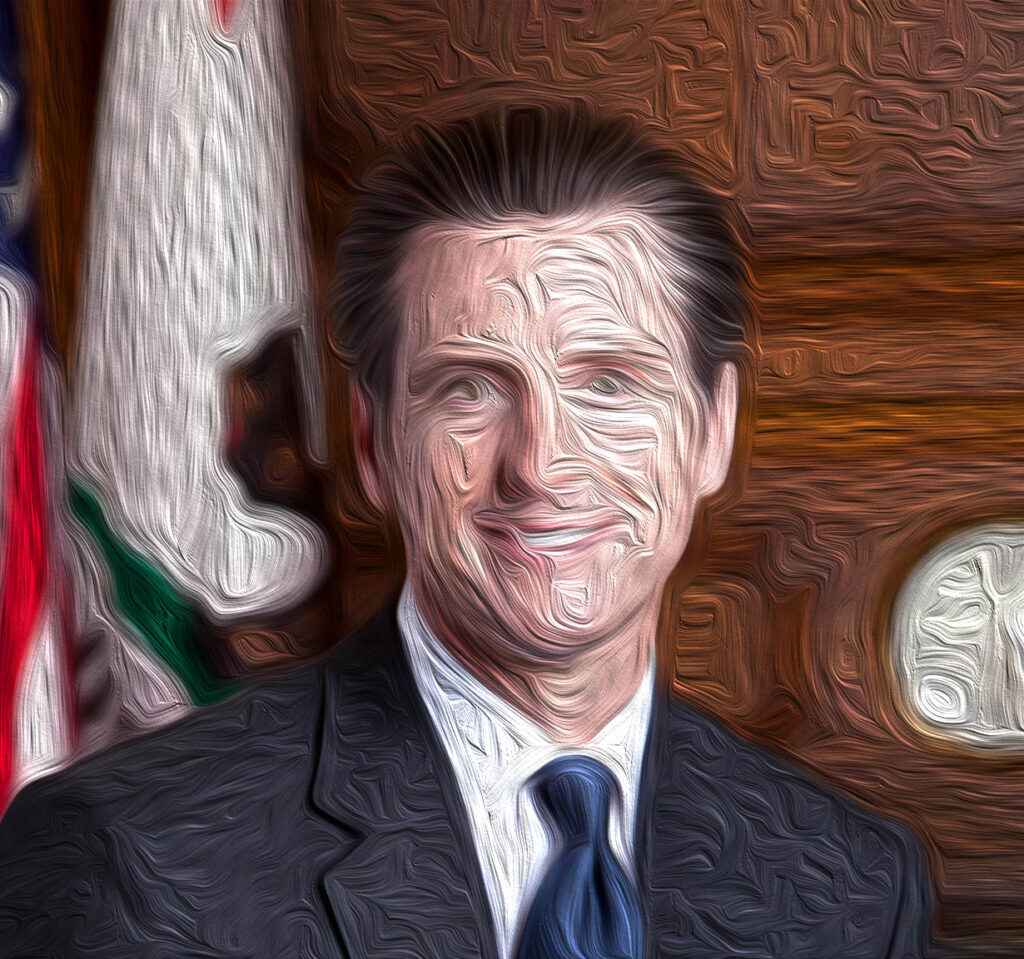
California Votes: The Effort to Recall Governor Gavin Newsom

Gavin Newsom

On Tuesday, September 14, California voters will decide whether to recall Governor Gavin Newsom, and who, if anyone, should replace him. What are the forces behind the recall effort? How worried should Governor Newsom be? And what does all of this mean for the future of California?

Moderated by Democratic strategist Katie Merrill, this panel discussion will feature LA Times political reporter Seema Mehta, USC Distinguished Professor of Sociology Manuel Pastor, and IGS Poll Director Mark Di Camillo, along with results from an IGS Poll that surveyed over 8,000 California voters in the final weeks leading up to the election.

Presented by the Institute of Governmental Studies, and co-sponsored by the Citrin Center for Public Opinion Research and the California Constitution Center of Berkeley Law.

Registration Link: Webinar: California Votes: The Effort to Recall Governor Gavin Newsom

Event contact: Jasmine Flores, jjflores@berkeley.edu

CCRM Seminar: Paul R. Schulman and Emery Roe

CCRM event panelists


The Covid-19 pandemic is arguably the seminal international event in the 21st century so far. It’s had huge consequences for public safety, with 2.8 million world-wide deaths as of April 1st. In the U.S. there was an “excess mortality” of 390,000 deaths in the 10-month period from January to Oct 2010 over the previous 5-year average mortality rate for that period.

But the pandemic has also challenged the effectiveness of many national public health agencies and regulatory processes, as well as policy-making with respect to health care resources and their priority. With early and fundamental uncertainties connected to its means of transmission and the treatment of its victims, uncertain information about case, infection and mortality rates (even the numbers cited above are hedged by their collectors) and the ability as well of the virus to generate genetic variants with different transmission and virulence properties, Covid-19 has also challenged processes of medical research, information gathering and decision-making.

In the upcoming virtual meeting of the UC Berkeley Center for Catastrophic Risk Management (CCRM), we propose to review and analyze not only the practical medical and public health challenges posed by the Covid pandemic, but also the challenges the Covid-19 pandemic poses to our understanding of basic concepts applied to public organizations, their administration and management.

Our topic is not about assigning blame for “poor performance” in public health management and policy relative to the Covid pandemic. It is to explore what performance standards can we expect against problems such as the Covid-19 pandemic, but also possibly a host of public problems with similar properties in other problem domains.

What do “reliability”, “resilience”, “effectiveness” and even “accountability” mean as performance standards to apply to policy and management efforts in the face of problems that propagate with such speed and on such a global scale? How do we identify “error” under such conditions and identify it readily enough to promote policy learning and resilience? How do we appraise risks in order to better guide decision-making, when the stakes are so consequential in scale and time?

Are conventional arguments about crisis management useful when applied to crisis conditions like those in a rapidly changing, uncertain but potentially multi-year long crises like the Covid pandemic? How do you build consensus for policy action when measures such as lockdowns directed toward limiting the spread also threaten general economic well-being and strongly held values like freedom of assembly and movement?

We hope to engage participants in thinking deeply about these practical and conceptual questions in the domains of healthcare, public health and well beyond. If your time permits, this pdf of a recent article discusses at greater length some of these issues.


About the Speakers

Paul R. Schulman (B. A. Tulane University, M.A., Ph.D. in Political Science from the Johns Hopkins University) is a Senior Research Associate at the Center for Catastrophic Risk Management at the University of California, Berkeley and Emeritus Professor of Government at Mills College in Oakland, California. He has written extensively on managing hazardous technical systems to high levels of reliability and safety, within organizations and across networks of organizations. His books include (with Emery Roe), Reliability and Risk: The Challenge of Managing Interconnected Critical Infrastructures (Stanford University Press, 2016),  High Reliability Management (also with Emery Roe) (Stanford University Press, 2008), and Large-Scale Policy-Making (Elsevier, 1980). He has been a consultant to the Canadian Nuclear Safety Commission, the California Independent System Operator, the Lawrence Livermore Laboratory, Invitae, a genetic testing start-up and an advisor to the California Public Utilities Commission. He is currently a member of the Joint Genome Institute’s Synthetic Biology Internal Review Committee in the U.S. Department of Energy.

Emery Roe is a senior research associate at the Center for Catastrophic Risk Management, University of California Berkeley. He has been a practicing policy analyst and is author of many articles and other publications. His most recent book, co-authored with Paul Schulman, has been published by Stanford University Press in 2016 as Reliability and Risk: The Challenge of Managing Interconnected Infrastructures. His other books include Making the Most of Mess: Reliability and Policy in Today’s Management Challenges (2013, Duke University Press); High Reliability Management: Operating on the Edge (with Paul Schulman, 2008, Stanford University Press); and Narrative Policy Analysis (1994, Duke University Press). Read his blog.